
Our Program Structure
Our curriculum at the Columbia Summer Institute for Dialogue and Civic Practice coaches students in validated, practice-based dialogue competencies, from active listening and conflict navigation to civic reflection. We help students build a documented portfolio of authentic dialogue experiences for college applications, essays, and interviews. Students leave our program prepared to articulate what they learned, why it matters, and how they could contribute to mutual understanding.
Today, a growing number of selective colleges in NYC and across the US assess not only applicants’ academic achievements but also their demonstrated dialogue competency in admissions. Students are asked to reflect in their application essays on conversations with people who think differently, on respectful disagreement, and on how they learn from opposing viewpoints and bridge divides.
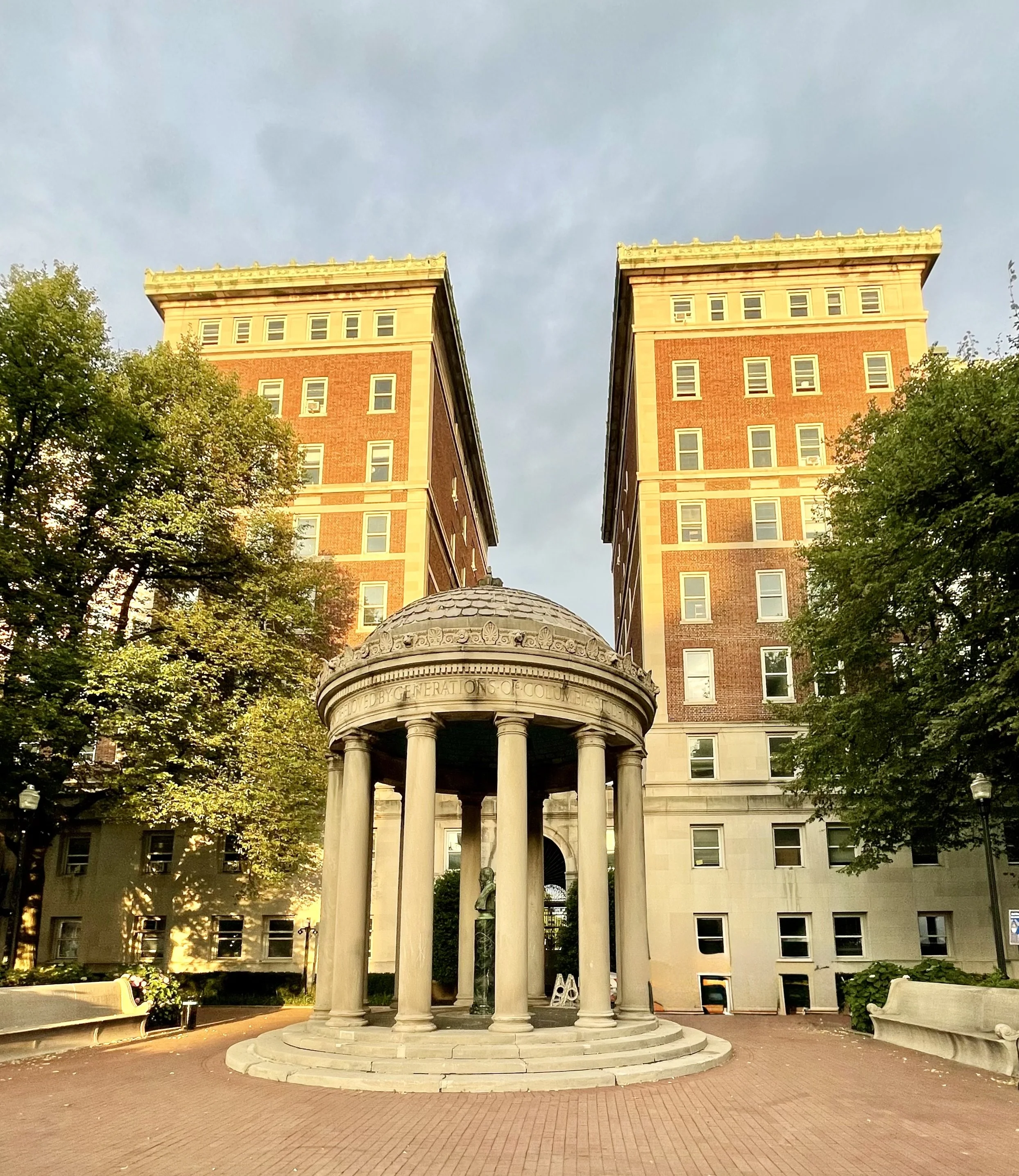
We believe that developing genuine dialogue requires face-to-face encounters. These situations cannot be digitally simulated, outsourced to AI, or learned in an online classroom. Our program is built on real-world dialogue on and off the Columbia campus. This experience is enriched by opportunities to learn from and interact with members of the Columbia community.
Our Philosophy
Program Principles
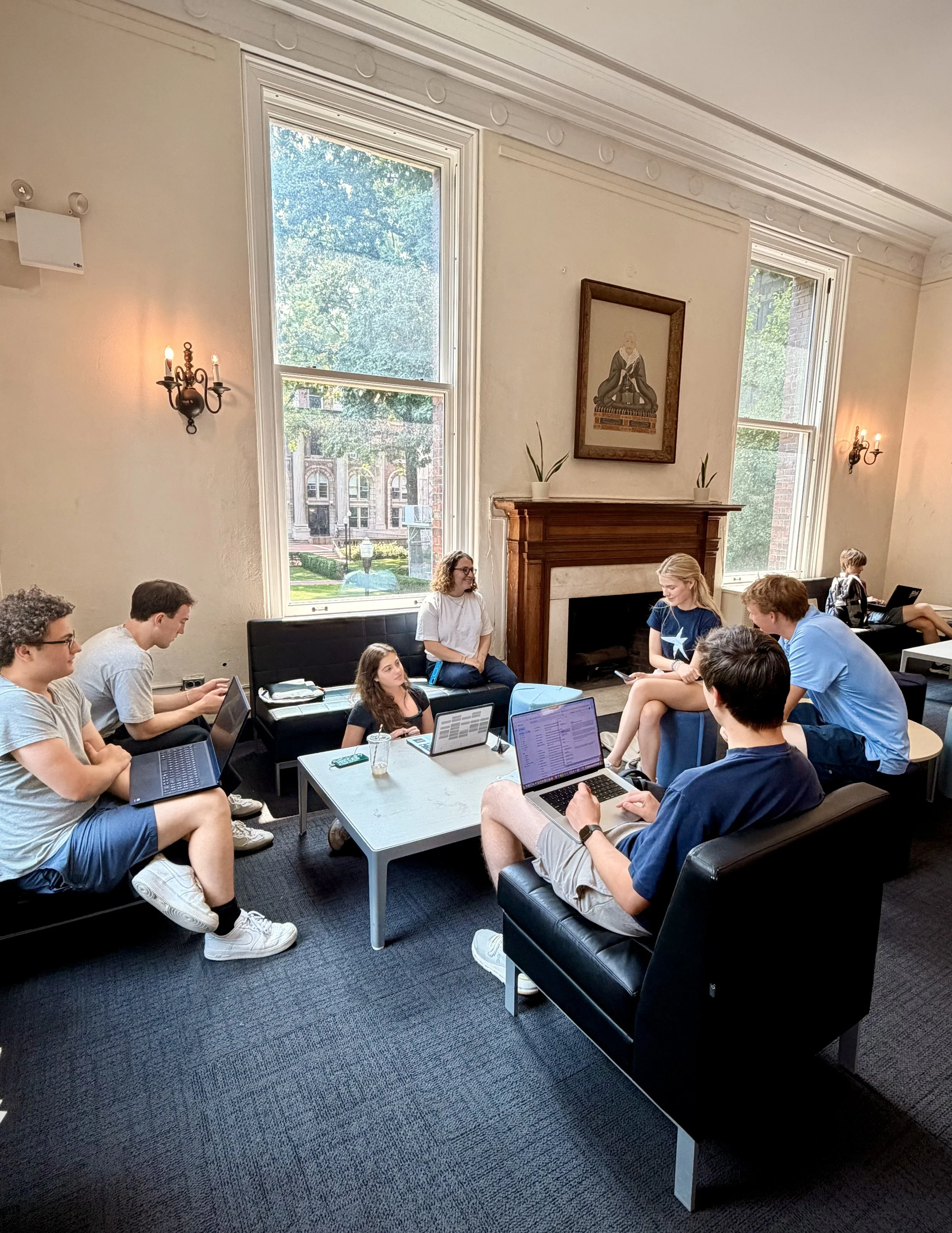
We build our foundations and advanced courses around guided, live conversations and structured reflection to provide students with the essential tools to develop their disagreement and dialogue competency.
Our courses help students listen closely, articulate their views clearly, and work through disagreement with rigor and respect. They enhance dialogue skills through critical self-awareness and openness to different positions.
Our Two Course Types
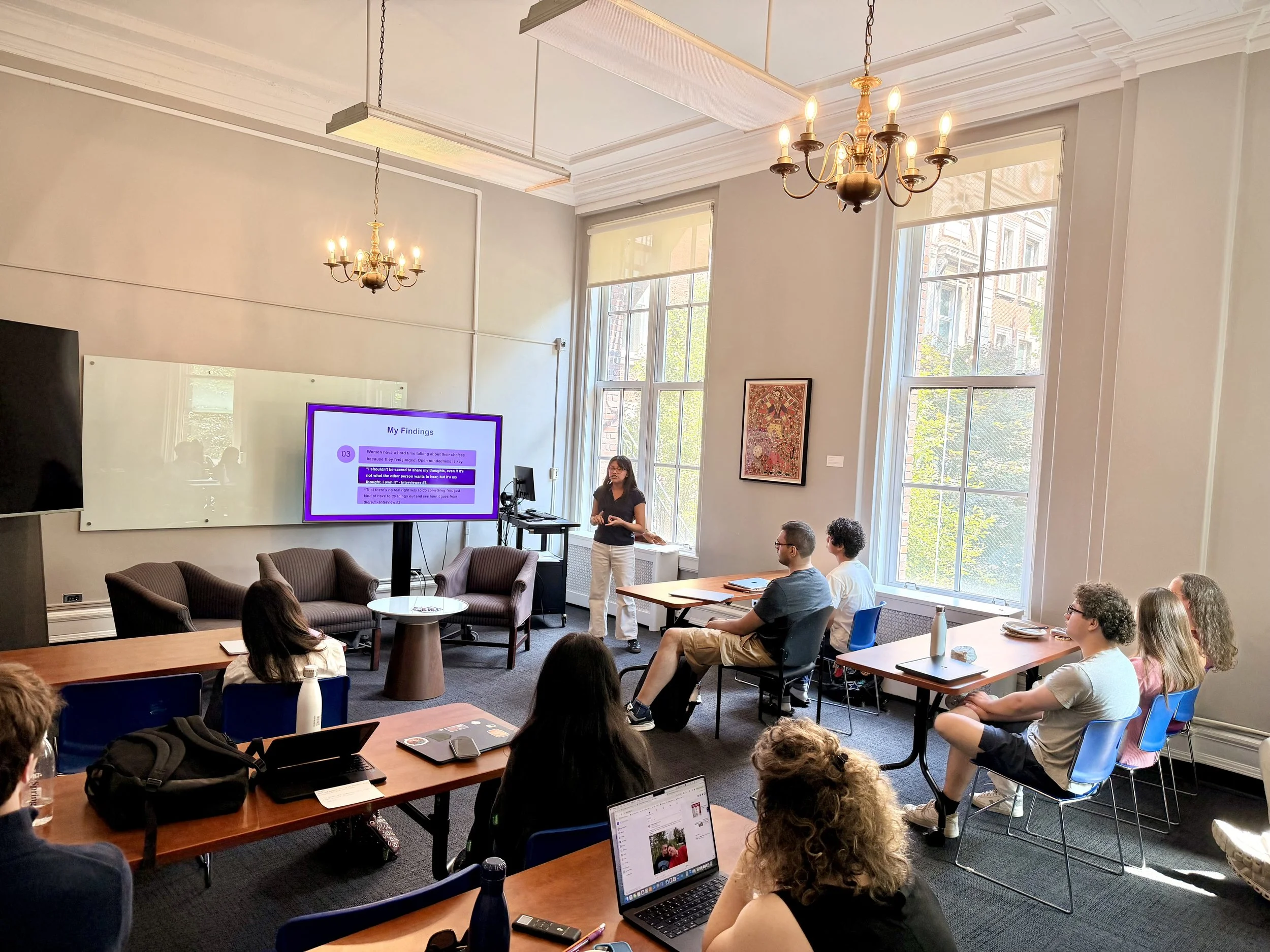
We offer two course types—Foundations of Dialogue and Advanced Dialogue and Research—that can be taken separately or be stacked during the school year and summer. All classes are held in person on the Columbia campus.
Course Content and Outcomes
-
This entry-level course is for high school students who want to develop essential competencies in dialogue and disagreement. It includes structured practice sessions that translate into real-world skills, preparing students for the social and intellectual rigors of elite college environments. Specifically students will learn to construct and lead structured dialogue sessions on complex social issues, with attention to norms, dynamics, and outcomes. This course is ideal for high-achieving students who seek enrollment during the high school year (sessions are held on the weekend).
After completing Foundations of Dialogue, students will be able to:Facilitate structured conversations across ideological lines of difference.
Demonstrate humanistic and empathetic listening techniques.
Articulate a high-level narrative on how dialogue shapes their thinking and interpersonal skills.
Type: Weekend Sessions
Schedule: four Saturdays from 10 AM to 3 PM
Location: Columbia University, Main Campus (Morningside Heights) -
Our advanced course is an intense two-week summer bootcamp that includes training components from the Foundations Course, but delves deeper into the topic of dialogue and civil disagreement by: 1) connecting dialogue practice with scholarly and civic concepts, showing an ability to reason about what works, why, and how; 2) learning how to conduct research about dialogue processes and outcomes in ways that demonstrate impact and learning. Students who enrolled in the Foundations course are eligible for a reduced tuition rate.
After completing Advanced Dialogue & Research, students will be able to:
Lead and facilitate dialogue sessions on contentious issues.
Use structured reflection and research tools to examine dialogue processes.
Translate practical dialogue experience into evidence-based written artifacts.
Articulate the civic and intellectual value of dialogue in academic and community contexts.
Type: Intensive Two-Week Bootcamp
Schedule: Monday-Thursday, 9 AM to 4 PM
Location: Columbia University, Main Campus (Morningside Heights)
Click to show more
Learning Outcomes
Students completing our courses acquire the following skills and insights:
Demonstrate advanced listening skills that foster mutual understanding.
Navigate and reflect on disagreement without escalation.
Facilitate inclusive dialogue among peers with diverse perspectives.
Produce evidence of dialogue practice that aligns with competitive college application prompts.
Reflect on ethical and civic dimensions of dialogue in personal and community contexts.
Student Testimonials
Columbia students who took part in our various curricular and extra-curricular dialogue programs—ranging from the Listening Tables and our Undergraduate Dialogue Course to the Listening Tables in the City—share their experiences:
Working with each other and living in social community, especially in times of tension and disagreement, requires us to do the hard and necessary work of actively attending and listening to each other. This practice of reconciliation and the skills to engage in it are what this program teaches and models, and why dialogue-focused work is so important.
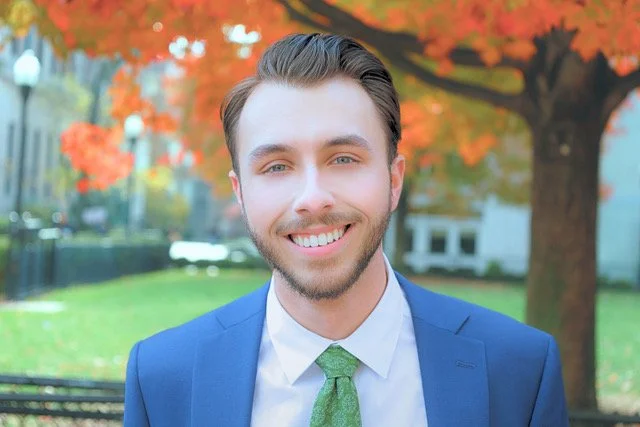
Stanley Davis
Psychology, CC’2026, Rhodes Scholar
This dialogue format strikes the perfect balance between bringing together people hungry to practice respectful, serious dialogue and fostering a collegiate atmosphere. The result is an important skill in today’s national context: learning that difficult conversations can be a way to grow closer to others. This skill is as important as it is often overlooked in other college spaces.
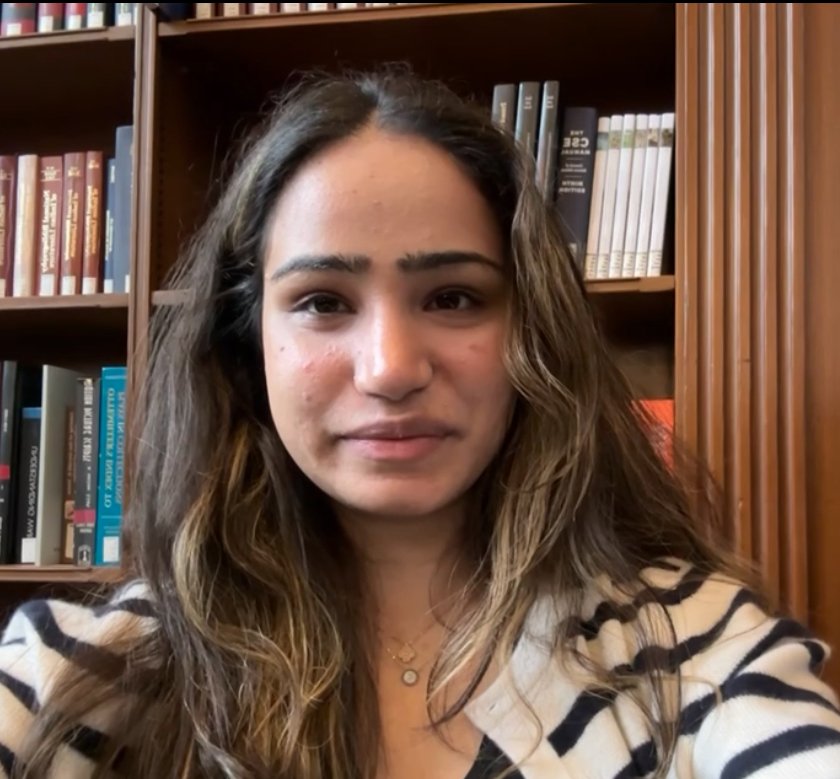
Imaan Chaudhry
History, CC’2026
In this program, diverse perspectives can meet and learn from one another. In today’s fast-paced, tech-centric, polarized climate, this program offers participants a space to slow down, listen, consider, re-consider, and share through face-to-face conversation. This is a place where progress can happen, as ideas are thought through, people are heard, and community is cultivated.

Svava Valfells
Cognitive Science & Philosophy, CC’2027
Ready to Apply?
Learn more about our application process: